
What is a Postpartum Doula and Do I Need One?
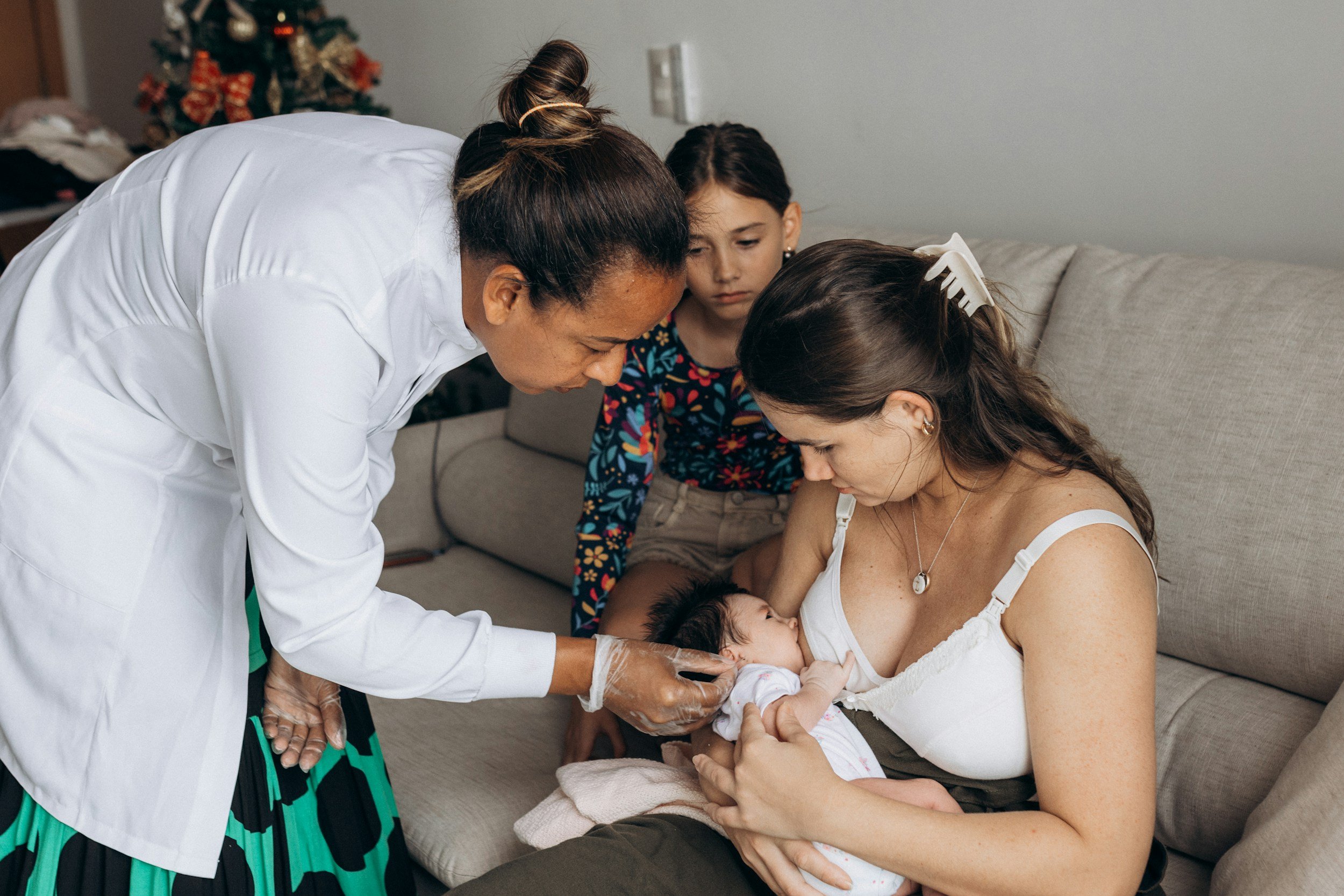
The support we give a mother in the weeks after birth shapes not only her recovery—but the wellbeing of her entire family.
When people imagine a doula, they often picture someone supporting labour and birth. While birth support is incredibly valuable, the days and weeks after a baby arrives are often when mothers need the most care.
Modern motherhood asks women to recover from one of life's most profound physical and emotional experiences while simultaneously learning to care for a newborn, often with little rest, minimal support, and unrealistic expectations to "bounce back."
This is where a postpartum doula becomes invaluable.
A postpartum doula is not there to replace your partner or family. Instead, they become a steady, knowledgeable presence dedicated entirely to caring for the mother, nurturing the family, and creating an environment where healing can truly happen.
What Is a Postpartum Doula?
A postpartum doula is a trained professional who provides non-medical, evidence-informed physical, emotional, and practical support during the weeks and months following birth.
Rather than focusing solely on the baby, postpartum doulas care for the mother as the centre of the family. Their role is to help parents feel confident, supported, and deeply cared for during one of life's biggest transitions.
Support may include:
Emotional support and reassurance
Infant feeding guidance and encouragement
Newborn care education
Meal preparation and nourishment
Light household tasks
Baby soothing techniques
Creating opportunities for rest
Emotional processing after birth
Partner support
Referrals to healthcare providers when needed
Every visit is personalized to meet the family's evolving needs.
The Fourth Trimester Matters
Pregnancy lasts nine months, yet many cultures recognize a fourth trimester—a sacred period of approximately six weeks after birth dedicated to maternal recovery.
Traditionally, mothers were surrounded by family and community who cooked nourishing meals, held the baby while she rested, tended the home, and protected her healing.
Today's families often don't have that village.
Many parents live far from relatives, return to responsibilities quickly, or feel pressure to do everything independently. While our world has changed, a mother's biological need for rest, nourishment, and support has not.
A postpartum doula helps recreate that village.
Physical Recovery Is More Than Healing From Birth
Whether birth was vaginal or by cesarean, the postpartum body is recovering from enormous changes.
Hormones shift dramatically.
Sleep becomes fragmented.
Breastfeeding requires significant energy.
Muscles, connective tissues, and the pelvic floor continue healing.
A postpartum doula encourages recovery by helping mothers slow down, rest when possible, stay nourished, and avoid becoming overwhelmed by daily tasks.
Small acts of support such as preparing nourishing meals, refilling a water bottle, helping settle the baby so mom can shower, or creating a calm environment, can make a remarkable difference in recovery.
Emotional Support Changes Everything
New parenthood is filled with joy, but it can also bring uncertainty, vulnerability, grief, anxiety, and unexpected emotions.
Having someone who listens without judgment can be profoundly healing.
Postpartum doulas provide a safe space for mothers to:
Process their birth experience
Build confidence in caring for their baby
Navigate changing identities
Feel heard and validated
Normalize the emotional ups and downs of early parenthood
While doulas do not diagnose or treat mental health conditions, they are trained to recognize when additional professional support may be needed and can help families access appropriate resources early.
Supporting the Entire Family
When a mother is supported, everyone benefits.
Partners often carry tremendous pressure during the postpartum period. A doula helps ease that load by answering questions, offering practical guidance, and helping both parents feel more confident.
Older siblings can also receive gentle attention during visits, helping the entire family adjust to their new rhythm.
Rather than creating dependency, postpartum doulas empower families to trust themselves.
The goal is always to leave parents feeling more capable, informed, and confident.
Nourishment Is Medicine
Recovery requires energy.
Yet many new mothers spend their days caring for everyone else before remembering to eat themselves.
A postpartum doula understands that nourishment is essential, not optional.
Simple, nutrient-dense meals, warming broths, herbal teas, hydration, and balanced snacks help support:
Tissue healing
Energy production
Hormonal recovery
Breastfeeding demands
Stable blood sugar
Overall wellbeing
Sometimes the greatest gift isn't complicated advice.
It's someone quietly placing a warm meal beside you while you feed your baby.
Rest Is Productive
Our culture celebrates productivity.
Postpartum asks for something different.
Healing requires slowing down.
Many mothers feel guilty resting while laundry piles up or dishes sit in the sink. A postpartum doula gently reminds mothers that their primary work is healing, bonding, and recovering.
The dishes can wait.
Your recovery cannot.
Evidence Supports Postpartum Care
Research consistently demonstrates that continuous postpartum support can improve maternal wellbeing and confidence.
Studies have associated postpartum doula support with:
Increased parental confidence
Improved breastfeeding outcomes
Reduced parenting stress
Greater satisfaction with the postpartum experience
Enhanced emotional wellbeing and family adjustment
While every family's experience is unique, compassionate support during the postpartum period has meaningful benefits for both parents and babies.
Postpartum Care Is an Investment, Not a Luxury
Many families spend months preparing for birth.
Very few spend the same amount of time preparing for recovery.
Yet birth lasts hours.
Postpartum lasts weeks, months, and often shapes how a mother remembers her transition into parenthood for years to come.
Hiring a postpartum doula isn't about doing motherhood "the right way." It's about recognizing that mothers deserve to be cared for, too. Support isn't a sign of weakness, it reflects an understanding that healing happens best within community.
